
If you have been told you need osseous surgery, it means your gums and jawbone need a little extra help to fight off advanced gum disease. At our Bronx practice, we understand that hearing the word “surgery” can feel intimidating.
However, this is a routine, highly effective procedure designed to save your natural teeth and restore the healthy foundation of your smile. We provide expert, compassionate dental care in the Bronx, NY, ensuring your comfort every step of the way.
What Is Osseous Surgery (Pocket Reduction Surgery)?
Osseous surgery, commonly known as pocket reduction surgery, is a specialized periodontal procedure used to treat advanced gum disease. When bacteria sit below the gumline for too long, they create deep “pockets” between your gums and teeth, slowly eating away at the supporting jawbone. This procedure cleans out those deep infections and repairs the damaged bone.
The Meaning & Goal of Osseous Bone Recontouring
The primary goal of osseous bone recontouring is to eliminate the deep pockets where harmful bacteria thrive. The toxins from these bacteria create uneven, jagged craters in the bone surrounding your teeth. By gently smoothing and reshaping this damaged bone, we give your gums a flat, healthy surface to reattach to. This seals out future bacteria and creates a strong, stable foundation for your teeth.
When Is Osseous Surgery Necessary? (Candidacy & Signs)
Not every case of gum disease requires surgery. In its early stages, such as mild gum inflammation, a thorough gingivitis treatment and improved home care can often reverse the damage. However, if the infection progresses without treatment, surgical intervention becomes necessary to prevent tooth loss.
Periodontal Pocket Depths of 5mm or Deeper
In a healthy mouth, the natural space (pocket) between the tooth and gum is about 1 to 3 millimeters deep—easy to clean with a toothbrush and floss. When you have severe periodontitis, these pockets deepen to 5 millimeters or more.
At this depth, no amount of brushing, flossing, or standard professional cleaning can reach the plaque trapped at the bottom. Osseous surgery becomes essential to access and clean these deep spaces.
The Mouth-Body Connection: Preventing Systemic Health Risks
Treating deep periodontal pockets isn’t just about saving your teeth; it’s about protecting your overall health. The bacteria trapped in deep gum pockets can enter your bloodstream, raising your body’s overall inflammation levels.
Untreated advanced gum disease is closely linked to serious systemic health issues, including heart disease, stroke, uncontrolled diabetes, and respiratory complications. Pocket reduction surgery helps shut the door on these bacteria, benefiting your whole body.
Benefits of Osseous Surgery for Periodontal Health
Undergoing osseous surgery offers profound, long-lasting benefits for your oral health and daily comfort.
Stopping Active Infection & Halting Jawbone Loss
The most immediate benefit of pocket reduction surgery is stopping the cycle of infection. By removing the hardened tartar and bacteria deep beneath the gums, we halt the immune response that destroys your jawbone. This preserves your facial structure and keeps your teeth firmly anchored in place.
Restoring Natural Teeth & Facilitating Easy Home Brossing/Flossing
When gum pockets are too deep, keeping them clean at home is physically impossible. By reducing pocket depths and recontouring the bone, we restore a tight, healthy seal around your teeth. This means your daily brushing and flossing routine will actually be effective again, allowing you to maintain your oral health effortlessly.
What Our Patients Say
Google Review
Google Review
Google Review
Step-by-Step: What to Expect During the Procedure
We believe in keeping our patients fully informed. Knowing exactly what happens during the procedure can help ease your mind and prepare you for a smooth experience.
Step 1: Local Anesthesia & Patient Comfort
Your comfort is our top priority. Before we begin, we will completely numb the treatment area using a local anesthetic. You won’t feel any sharp pain during the surgery—just a slight sensation of pressure. If you suffer from dental anxiety, let us know; we offer relaxation options to keep you perfectly at ease.
Step 2: Gum Flap Reflection & Deep Root Cleaning (Debridement)
Once you are completely numb, the periodontist makes a tiny incision and gently folds back the gum tissue (a “gum flap”). This exposes the tooth roots and the underlying bone. Using specialized tools, we meticulously clean away all the hardened tartar, plaque, and diseased tissue that have accumulated deep below the gumline.
Step 3: Bone Reshaping & Bone Grafting (If Needed)
After the area is sterilized, we focus on the bone. The periodontist will carefully smooth out the irregular craters caused by the bacterial infection. If the bone loss is severe in certain areas, we may perform a dental bone graft at the same time to help regenerate new, healthy bone tissue.
Step 4: Suturing & Protective Periodontal Dressing
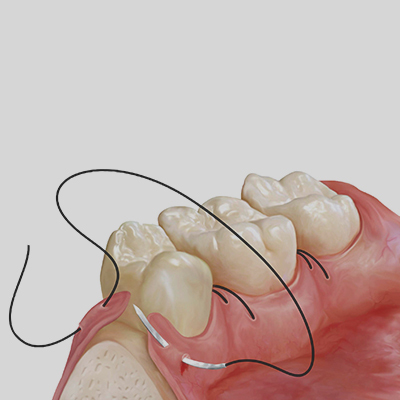
Finally, your gum tissue is securely positioned back over the newly shaped bone and stitched into place. We often place a soft, protective periodontal dressing (which acts like a specialized bandage) over the surgical site to shield it from irritation and promote fast healing.
Non-Surgical Osseous Surgery Alternatives
Depending on the severity of your condition, we may explore less invasive alternatives before recommending surgery.
Scaling and Root Planing (SRP) & Laser Antimicrobial Therapy
If your pocket depths are between 4mm and 5mm, we often start with a deep cleaning known as scaling and root planing. This non-surgical procedure removes tartar from below the gumline and smooths the root surfaces.
We often combine this with advanced laser antimicrobial therapy, which uses targeted light energy to gently vaporize bacteria and diseased tissue within the pockets, encouraging the gums to heal naturally without scalpels or stitches.
Recovery After Osseous Surgery: Timeline & Aftercare Tips
 Healing from osseous surgery is usually straightforward, with most patients returning to their normal routine within a day or two. To ensure a smooth recovery:
- Manage Swelling: Apply an ice pack to the outside of your cheek in 15-minute intervals during the first 24 hours.
- Eat Soft Foods: Stick to a soft diet (like yogurt, soups, and scrambled eggs) for the first few days, avoiding hot, spicy, or crunchy foods.
- Take Medications: Take any prescribed antibiotics or over-the-counter pain relievers exactly as directed by your dentist.
- Gentle Cleaning: Avoid aggressively brushing the surgical site until cleared. We will likely provide an antimicrobial mouth rinse to keep the area clean while it heals.
How do I know if I need pocket reduction surgery?
If you have persistent bad breath, loose teeth, receding gums, or have been told you have periodontal pockets measuring 5 millimeters or deeper, you may be a candidate. A comprehensive periodontal exam and digital X-rays at our Bronx office will confirm if surgery is the right step for you.
Is osseous surgery painful?
The procedure itself is virtually painless thanks to modern local anesthesia. After the numbness wears off, it is normal to experience some mild soreness, tissue tenderness, and light swelling for a few days. This discomfort is highly manageable with standard over-the-counter pain medications like ibuprofen.
Does dental insurance cover osseous surgery in the Bronx?
In most cases, yes. Because osseous surgery is a medically necessary procedure to treat disease and save teeth, the majority of PPO dental insurance plans cover a significant portion of the cost. Our front desk team will happily verify your benefits and help you maximize your coverage.
What results can I expect after osseous surgery?
Once healed, your gum pockets will be significantly shallower, your gums will look pink and healthy, and the loose feeling in your teeth will diminish. Most importantly, with reduced pockets, you’ll be able to properly clean your teeth at home again, stopping the progression of gum disease and protecting your smile for years to come.
Do you have any questions about osseous surgery in Bronx, NY? Would you like more information or to schedule an appointment with the best rated periodontist? Please contact our practice for a consultation with an osseous specialist.