
As a leading cause of adult tooth loss, gum disease requires prompt, specialized intervention before it causes permanent damage. What starts as minor, easily overlooked gum irritation can rapidly advance to soft tissue destruction, structural jawbone loss, and eventual tooth loss if left untreated.
At 505 Dental Associates, our experienced Bronx dental specialists offer state-of-the-art, comprehensive periodontal care. From non-surgical deep cleanings to laser gum therapy and advanced surgical regeneration, we deliver personalized treatments designed to halt infection, rebuild supporting structures, and preserve your natural smile for a lifetime.
Understanding Periodontal (Gum) Disease & Its Stages
Gum disease is essentially an ongoing bacterial infection that attacks the tissues and bone holding your teeth in place. Because it usually develops slowly, understanding how it progresses can help you get the right care at the right time.
Stage 1: Gingivitis (Mild & Reversible Gum Inflammation)
Gingivitis is the earliest sign that your gums need extra care. You might notice your gums looking red or puffy, or bleeding slightly when you brush or floss. The good news? At this stage, the infection hasn’t reached the underlying bone yet. With a professional dental cleaning and a good routine at home, gingivitis is completely reversible.
Stage 2: Acute Necrotizing Ulcerative Gingivitis
Sometimes called “trench mouth,” Acute Necrotizing Ulcerative Gingivitis is a sudden, painful form of gum infection. It often strikes when your immune system is run down—due to high stress, severe fatigue, or heavy smoking. ANUG causes painful ulcers between the teeth, bleeding, and a persistent metallic taste. It requires prompt professional treatment to relieve the pain and clear away the infection before permanent damage occurs.
Stage 3: Adult Periodontitis (Advanced Gum Infection)
If gingivitis goes untreated, it can turn into chronic adult periodontitis. At this point, bacteria creep deeper under the gumline, forming hidden pockets of infection.
Over time, this infection breaks down the ligaments and jawbone supporting your teeth, causing gums to pull back, teeth to feel loose, and chronic bad breath. While periodontitis cannot be cured, targeted dental treatments can halt its progression and save your natural teeth.
Stage 4: Localized Juvenile Periodontitis
This is a rarer, aggressive form of periodontitis that typically affects teenagers and young adults. It usually concentrates around the permanent front teeth and first molars. Because it can cause rapid bone loss even when there’s very little visible plaque, early digital screening and specialized targeted therapy are crucial.
Recognizing the Warning Signs & Symptoms of Gum Disease
One tricky thing about gum disease is that it doesn’t always hurt in the beginning. Many people don’t realize anything is wrong until the infection is well underway.
Key Symptoms: Bleeding, Receding Gums, Persistent Bad Breath, & Loose Teeth
If you recognize any of these common warning signs, it’s a good idea to schedule a checkup with our Bronx team:
- Bleeding Gums: Seeing pink in the sink when you brush, floss, or bite into firm foods like apples.
- Receding Gums: Teeth that look longer than they used to as your gumline pulls back.
- Persistent Bad Breath: A bad taste or breath that doesn’t go away, even after brushing or using mouthwash.
- Loose or Shifting Teeth: Noticing a change in your bite or feeling like your teeth are moving slightly when you chew.
- Swollen, Tender Gums: Gums that look dark red, purplish, or feel sore to the touch.
- Discharge: Pus or fluid oozing from the gumline around certain teeth.
Primary Causes & Systemic Health Risk Factors
Understanding what triggers gum disease makes it much easier to manage and prevent.
Plaque & Tartar Buildup
Every day, a sticky layer of bacteria called plaque naturally forms on your teeth. If it isn’t thoroughly brushed and flossed away, plaque hardens into tartar (calculus) in as little as 24 to 72 hours. Tartar acts like a rough shelter where bacteria thrive, irritating your gums and breaking down bone tissue.
Once plaque turns into tartar, daily brushing won’t remove it—you’ll need a professional teeth cleaning to clear it away safely.
Systemic Health Connections: Diabetes, Heart Disease, Stroke, & High Blood Pressure
Your mouth isn’t isolated from the rest of your body. When you have chronic gum inflammation, bacteria and toxins can travel through your bloodstream, affecting your broader health:
- Diabetes: Gum disease makes it harder to regulate blood sugar levels, while high blood sugar makes gum infections worse. Treating one helps manage the other.
- Heart Disease & Stroke: Oral bacteria can contribute to inflammation in the blood vessels, slightly increasing the risk of cardiovascular complications.
- High Blood Pressure: Ongoing bodily inflammation from severe periodontitis has been linked to elevated blood pressure.
- Lifestyle & Genetics: Smoking, severe stress, hormonal shifts, and family history can also make your gums more susceptible to infection.
Advanced Non-Surgical Periodontal Treatments in the Bronx
Whenever possible, we prefer to start with gentle, non-surgical therapies that eliminate infection and give your gums a clean slate to heal.
Deep Dental Cleaning (Scaling & Root Planing)
Think of a deep cleaning—or scaling and root planing — as a fresh start for your gums. First, we carefully scale away tartar and plaque hiding both above and deep beneath your gumline. Next, we smooth out (plane) the rough roots of your teeth. This removes trapped toxins and makes it much easier for your gums to reattach snugly to clean tooth surfaces.
Ultrasonic Debridement & Targeted Antibiotic Therapy
To make deep cleanings even more thorough, we use high-frequency ultrasonic tools. These gentle water-pulsing devices flush away deep-seated bacteria colonies efficiently and comfortably. When needed, we can also apply localized antibiotic therapies directly into deep gum pockets to wipe out stubborn bacteria right at the source.
Laser Periodontal Therapy & State-of-the-Art Technology
Modern dentistry lets us treat gum disease with far greater precision and much less downtime than in the past.
Minimally Invasive Soft Tissue Laser Gum Treatment (LANAP® Protocol)
Laser gum therapy is one of the most comfortable ways to treat advanced infection. Using targeted laser light, we can vaporize diseased tissue and bacteria inside deep gum pockets while leaving your healthy tissue completely untouched. That means little to no bleeding, minimal swelling, and a much faster, more comfortable recovery compared to traditional scalpel surgery.
3D Digital Imaging & Precise Periodontal Pocket Mapping
Effective treatment starts with accurate answers. We perform digital pocket mapping to check the exact depth of your gum pockets, tracking your progress over time. Paired with high-definition digital X-rays and 3D imaging, we get a clear look at your bone structure and subgingival tartar, allowing us to build a precise treatment plan built specifically for you.
What Our Patients Say
Google Review
Google Review
Google Review
Surgical Options for Advanced Periodontitis
When gum pockets are too deep for standard cleaning tools to reach, surgical treatments help us clear away deep infection and rebuild lost support.
Pocket Reduction & Flap Surgery
During pocket reduction surgery, the periodontist gently moves the gum tissue back slightly to reach deep-seated tartar that can’t be reached otherwise. Once the roots are thoroughly cleaned and smoothed, the gums are placed back tightly against the teeth. Shrinking these deep pockets makes it much easier for you to keep your teeth clean during your daily routine.
Bone Grafting & Guided Tissue Regeneration
If severe periodontitis has weakened the bone around your teeth, a dental bone graft can help regenerate that lost structural support.
We place specialized graft material into areas of bone loss to encourage your body to rebuild its own natural jawbone. We often use a protective membrane (guided tissue regeneration) alongside the graft to prevent fast-growing gum tissue from crowding out the new bone as it heals.
Gum Grafting & Periodontal Plastic Surgery
Receding gums leave delicate tooth roots exposed, often causing sharp sensitivity to hot or cold foods and leaving teeth vulnerable to decay. A gum graft gently covers exposed roots using healthy soft tissue, protecting your teeth, reducing sensitivity, and rebuilding a natural, healthy gumline.
Recovery, Surgical Aftercare, & Maintaining Gum Health
Healing well after treatment is a team effort, and we’ll guide you through every step of your post-care recovery.
What to Expect After Treatment: Post-Op Care & Pain Control
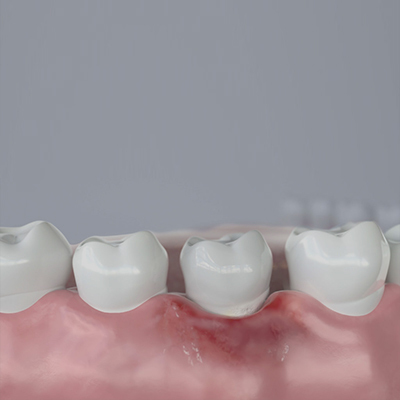 It’s normal to feel a little tender or sensitive for a few days after periodontal treatment. Here is how to keep your recovery smooth and comfortable:
- Managing Discomfort: Standard over-the-counter pain relievers like ibuprofen are usually all you need to handle mild soreness.
- Eating Comfortably: Stick to soft, cool foods (yogurt, scrambled eggs, warm soups, smoothies) for the first few days, avoiding sharp, crunchy, or spicy foods.
- Gentle Hygiene: Keep your mouth fresh by rinsing gently with warm salt water or a prescribed mouthwash, keeping toothbrush bristles away from surgical sites until cleared.
- Give Up Tobacco: Smoking or vaping slows down blood flow, which drastically delays tissue and bone healing. Giving your body a break helps you heal much faster.
Frequently Asked Questions
Does periodontal disease treatment hurt?
Your comfort is always our top priority. We thoroughly numb the area with local anesthesia before starting any procedure so you won’t feel pain during treatment. If you feel nervous about dental care, we also offer calming options to keep you relaxed. Any mild soreness afterward is usually easy to manage with simple over-the-counter medication.
What are the main benefits of laser gum disease treatment over traditional surgery?
Laser gum treatment is much gentler than traditional surgery. Because there are no scalpels or sutures involved in most cases, you’ll experience significantly less bleeding, minimal swelling, and a much faster return to your regular daily schedule.
How often should I see a dentist or periodontist for periodontal maintenance?
Once you’ve completed gum disease treatment, standard 6-month cleanings usually aren’t enough to keep bacteria from returning. Most patients do best with a periodontal maintenance cleaning every 3 to 4 months. These regular visits keep deep pockets clear of plaque before it can harden and cause new damage.
Is gum disease linked to other health conditions?
Yes, there is a strong link between oral health and overall bodily health. Chronic gum inflammation makes conditions like diabetes, heart disease, high blood pressure, and stroke harder to manage. Keeping your gums healthy helps reduce inflammation throughout your entire body.
Does dental insurance cover periodontal treatment in the Bronx?
In most cases, yes. Most major PPO dental insurance plans offer coverage for medically necessary periodontal procedures, including deep cleanings and surgical care. At 505 Dental Associates and City Smiles Dental, we work with most insurance plans and offer flexible payment options so you can get the care you need comfortably.
Your dentists and periodontists in the Bronx, open on Saturday, not only diagnose the disease and offer periodontal treatment but also help you plan an efficient preventive oral care routine. Periodontal disease doesn’t have to derail your life. See your Bronx periodontist to get back on track. Our dentistry center in the Bronx, NY is open on Sunday too.